Halistine Signature: A Font That Feels Like Your Handwriting
There’s a reason we still sign important documents with a pen. That flowing, personal script carries a weight that typed text simply can’t match—it feels authentic, immediate, and human. In the digital world of crisp vectors and perfect geometry, finding a typeface that captures that genuine, handwritten essence can transform a project from merely informative to truly connective. This is the space where Halistine Signature lives, offering designers and creators a bridge between digital polish and analog warmth.
The Anatomy of a Personal Touch
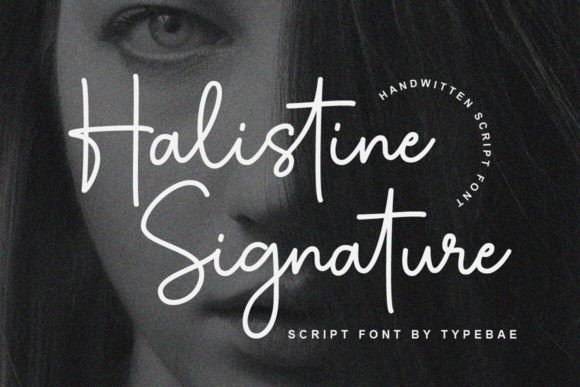
Halistine Signature is a monoline script font, meaning each stroke maintains a consistent width, giving it a clean, modern feel despite its handwritten origins. It’s not a frantic scrawl or a formal calligraphy; it’s the smooth, confident cursive of a personal note. This balance is its strength. The letterforms are elegant and legible, with a natural flow that avoids the common pitfalls of script fonts—overly tight letter spacing or confusing joins. It feels casual yet considered, making it a versatile tool for a wide range of applications.
What makes this script font particularly useful is its ability to inject personality without sacrificing clarity. Where a bold serif font might convey tradition and authority, and a clean sans serif font suggests modernity and efficiency, Halistine Signature communicates approachability and individuality. It’s the typographic equivalent of a warm handshake or a handwritten thank-you note on a receipt.
Where This Handwritten Font Truly Shines
Understanding a font’s personality is one thing; knowing where to apply it is where practical value is found. Halistine Signature’s strengths align perfectly with projects where building a personal connection is key.
- Brand Identity & Logo Design: For brands that are built around a founder’s story, a personal service, or a artisanal product, this font can become a cornerstone of their visual identity. Imagine it for a boutique bakery, a freelance consultant, a lifestyle blogger, or a custom jewelry maker. It immediately sets a tone of care and individuality.
- Packaging & Product Labels: On physical goods, a handwritten element can elevate the unboxing experience. Use it for product names, taglines, or special messages on labels for candles, skincare, gourmet foods, or stationery. It suggests the product was crafted with a human touch.
- Social Media Graphics & Digital Content: In the endless scroll of perfectly polished posts, a touch of authentic handwriting can stop the thumb. It’s ideal for quote graphics, Instagram stories, Pinterest pins, and video thumbnails where you want to emphasize a personal message or a candid moment.
- Invitations & Event Materials: From wedding suites to workshop flyers, this font brings warmth and elegance to any invitation. It sets a welcoming, intimate mood that standard typefaces often lack.
- Website Headers & Blog Titles: Used strategically—for a hero section headline, a featured article title, or a special announcement—it can draw visitors in and highlight content that is personal or story-driven, like an “About Me” page or a founder’s letter.
This premium font is a design asset that serves both commercial font needs for businesses and creative projects for hobbyists. Its application in editorial design, like magazine pull quotes or book chapter titles, can add a layer of intimacy to the layout.
Practical Tips for Working with a Signature Style
Introducing a distinctive script font into your toolkit requires a thoughtful approach to ensure it enhances rather than overwhelms your design.
Pairing is Everything. A font like Halistine Signature rarely works well set as large blocks of body copy. Its power is in contrast. Pair it with a highly readable sans serif font for paragraphs and supporting text. For example, use Halistine for a headline and a font like Lato or Open Sans for the description beneath it. This creates a visual hierarchy that guides the viewer’s eye and maintains readability.
Consider the Context. Always test the font in its intended environment. How does it look on a mobile screen versus a printed brochure? Does it maintain its clarity when used small on a business card? Ensure its visual consistency holds up across all the marketing assets you plan to create. A font that looks beautiful in a logo mockup on a desktop might become illegible as a favicon.
Review the Included Styles. Many creative font packages include more than one file. Check if Halistine Signature comes with alternate characters, ligatures, or stylistic sets. These extras can be invaluable for customizing letter combinations to look even more natural, preventing awkward joins between specific letters and allowing for more authentic brand recognition.
Licensing Matters. Before using any font for a client project, merchandise, or digital product for sale, thoroughly review the licensing terms. Ensure the license covers your intended use—whether for print, web, or merchandise—to avoid legal issues down the line. This due diligence is a non-negotiable part of professional visual communication.
Beyond Aesthetics: The Strategic Value
Choosing a typeface like Halistine Signature is more than an aesthetic decision; it’s a strategic one. In a crowded marketplace, consistent and thoughtful typography is a pillar of strong brand identity. A unique, personal font helps a brand become instantly recognizable, fostering deeper audience engagement. It tells a story before a single word of copy is read.
For the small business owner, it can be the secret weapon that makes their brand feel more human and relatable. For the content creator, it’s a tool to carve out a distinct visual niche. For the designer, it expands the palette of emotions and tones available to communicate a client’s message. It’s a piece of modern typography that understands the timeless value of the human hand.
In the end, the most effective designs are those that resonate on a human level. Halistine Signature provides a direct path to that resonance, offering the elegance and smoothness of a considered hand to projects that demand a personal, authentic voice. It’s not about replacing all other typefaces, but about having the right one in your collection for when a project needs to feel less like a broadcast and more like a conversation.