Meet Winnie: The Typeface That Whispers of Childhood Wonder
There's a particular kind of magic in the pages of a beloved picture book—the sort that stays with you long after you've closed the cover. It lives in the rounded edges of a friendly character, in the warm hues of a cozy illustration, and in the gentle rhythm of a story read aloud. Capturing that feeling in a design project is no small task, but some tools make it remarkably easier. Enter Winnie, a display typeface that doesn't just sit on the page; it radiates a palpable sense of comfort, nostalgia, and approachable charm.
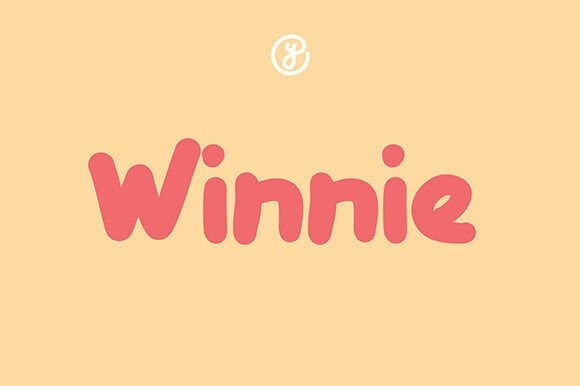
At its heart, Winnie is more than just a collection of letterforms. It's a design asset built on emotional resonance. Its visual DNA is unmistakably soft, plush, and round, echoing the tactile comfort of a well-loved stuffed animal or the friendly curves of a storybook character's smile. This isn't a font that demands attention with sharp angles or stark contrasts. Instead, it invites you in, creating an immediate sense of trust and warmth. For designers and creators, this personality is a powerful tool. It allows you to bake a specific, positive emotion directly into the typography of a project before a single word of copy is read.
Where Warmth Meets Practicality: Real-World Applications
The true test of a creative font like Winnie lies in its versatility. Its friendly demeanor makes it a natural fit for projects that need to feel personal, wholesome, or nostalgic. Think beyond just children's books. Consider a local bakery's branding, where the font on their logo, packaging, and menu boards could evoke homemade quality and care. Picture a family-focused blog or a wellness brand's website, where headings set in Winnie instantly communicate a gentle, supportive tone.
Its application extends beautifully into the physical and digital realms:
- Packaging & Merchandise: For artisanal goods, toys, or cozy apparel, Winnie on a label or hang tag can tell a story of craftsmanship and comfort before the product is even touched.
- Invitations & Greeting Cards: From baby showers to birthday parties, this typeface sets a joyful, heartfelt mood that standard script or serif fonts often miss.
- Social Media & Digital Content: In a crowded feed, a quote graphic or a promotional post set in Winnie stands out with its approachable clarity, boosting engagement by feeling more human and less corporate.
- Editorial & Blog Design: Used for pull quotes or section headers in a magazine layout or blog, it can break up dense text and inject personality, improving the reader's visual journey.
The key is matching the font's inherent personality to your project's goal. Winnie excels where the objective is to foster connection, evoke gentle emotion, and create a memorable, positive brand touchpoint.
Building a Brand Identity with Emotional Typography
For small business owners and entrepreneurs, consistent visual identity is everything. Typography is a cornerstone of that identity. Choosing a typeface like Winnie for your primary display font—used in your logo, on your website headers, and in key marketing materials—can be a strategic decision. It doesn't just make your brand look a certain way; it helps your audience feel a certain way about your brand.
This font can significantly aid in:
- Brand Recognition: Its distinctive, soft character becomes a recognizable element of your visual language, helping you stand out in a market saturated with minimalist sans-serifs and elegant serifs.
- Professional Presentation: When used correctly, it demonstrates thoughtful design. It shows you've considered every aspect of your customer's experience, down to the emotional weight of your typography.
- Audience Engagement: A friendly, readable font lowers the barrier to communication. It feels less intimidating and more inviting, which can increase time spent on your site or interaction with your social media posts.
The goal isn't to use Winnie for every single line of body copy. That's where its partner comes in. Pairing it with a clean, highly legible sans-serif font for paragraphs ensures readability while letting Winnie's personality shine in headlines and logos. This contrast creates a dynamic and professional typographic hierarchy.
Practical Tips for Choosing and Using Winnie
Integrating a new premium font into your workflow is exciting, but a few practical considerations will ensure success. First, always test the font in context. Type out your actual brand name, tagline, or key headlines. See how the letters interact. Does the spacing feel balanced? Do certain letter combinations create awkward gaps? Winnie's rounded forms generally create a pleasant rhythm, but testing with your specific words is crucial.
Next, explore the font family. Many premium display fonts, including Winnie, often come with variations—perhaps different weights (light, regular, bold) or stylistic alternates. These additional styles give you flexibility. A bolder weight might be perfect for a poster headline, while a lighter weight could work for an elegant invitation subheading.
Finally, a note on licensing. If you're using Winnie for a commercial project—whether it's for a client, your own business, or merchandise for sale—ensure you have the correct commercial license. This is a standard and important part of working with professional design assets. It protects both you and the font's creator, allowing you to use the typeface with confidence across all your intended applications.
Ultimately, Winnie offers something rare in the world of modern typography: a direct line to a feeling. It's a tool for designers, creators, and business owners who understand that the most effective communication often happens on an emotional level. By thoughtfully incorporating this friendly typeface, you're not just choosing a font—you're choosing to tell a warmer story.