Skyreaper: A Razor-Sharp Death Metal Font for Brutal Designs
There’s a specific kind of project that demands more than just a font—it demands an attitude. Think of the gritty flyer for a local metal show, the stark packaging for a craft brewery’s darkest stout, or the logo for a gaming channel that thrives on high-octane chaos. In these moments, a clean sans serif or an elegant script falls flat. You need typography that feels alive, dangerous, and charged with raw energy. This is where a typeface like Skyreaper stops being mere text and becomes a central character in your visual story.
Decoding the Visual DNA of a Heavyweight Typeface
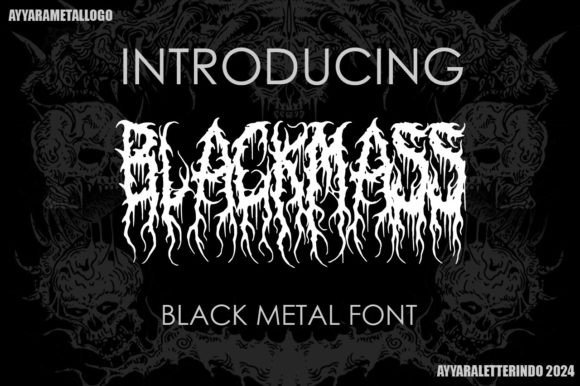
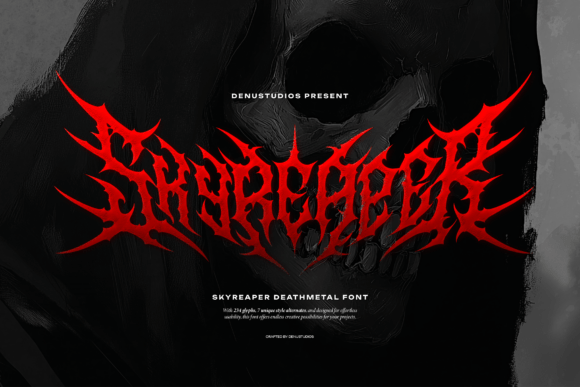
At its core, Skyreaper is a display font built for maximum impact. Its design language is unmistakable: letterforms are twisted, spiked, and constructed with sharp, aggressive angles that mimic the aesthetic of extreme music and underground art. The visual punch comes from its condensed structure and the chaotic elegance of its details—each glyph feels like it was forged, not just drawn. With 234 glyphs and seven style alternates, it offers a toolkit for what can only be described as creative destruction.
This isn’t a font for body copy or delicate invitations. Its strength lies in headlines, logos, and short, powerful statements where every letter needs to carry weight. The included alternates are key here, allowing you to swap out characters to avoid repetitive patterns and fine-tune the rhythm of your wordmark. This level of customization is what separates a generic "metal font" from a versatile design asset that can adapt to different contexts within its niche.
Practical Applications: Where Brutal Typography Meets Real Projects
Understanding a font’s personality is one thing; knowing how to deploy it is where the real value lies for designers and entrepreneurs. Let’s break down the tangible uses for a typeface with this much character.
Forging Unforgettable Brand Identity
For brands operating in spaces like extreme sports, horror entertainment, niche gaming, or even certain segments of the automotive aftermarket, visual identity needs to communicate a core message instantly. Skyreaper can serve as the cornerstone of a logo design, creating immediate recognition and setting the right tone. Paired with a more neutral sans serif for supporting text, it builds a hierarchy that’s both legible and intensely stylistic. This approach ensures your brand identity is coherent, from the main logo down to social media bios and website headers.
Commanding Attention in Print and Packaging
Imagine a poster for a horror film festival. The title, set in Skyreaper, would leap off the page, its jagged edges creating a sense of unease and excitement. The same principle applies to album covers for independent bands, merchandise for niche YouTubers, or packaging for products like hot sauces, energy drinks, or black coffee brands that embrace a bold, unapologetic vibe. On packaging, a display font like this can turn a product into a statement piece on the shelf, especially when contrasted with clean information panels for ingredients or instructions.
Dominating the Digital Landscape
In the digital realm, first impressions are formed in milliseconds. A gaming stream overlay, a YouTube thumbnail, or a website hero section using Skyreaper can instantly signal the channel’s content and energy level to the target audience. For social media graphics—particularly on platforms like Instagram or Twitter where scrolling is fast—a bold, stylized header in this typeface can stop the scroll and boost engagement. It’s a powerful tool for creating cohesive visual content that feels authentic to a specific community.
Strategic Pairings and Readability: The Designer’s Balancing Act
Using a high-impact display font effectively is a strategic exercise in contrast and restraint. The goal is to harness its energy without sacrificing clarity. Here’s how to approach it practically.
Mastering Font Pairing: The golden rule with a typeface as expressive as Skyreaper is to let it breathe. It should almost always be paired with a simpler, highly readable companion. A clean sans serif font like a modern grotesk or a humanist sans works perfectly for body text, subtitles, or detailed information. This creates a clear visual hierarchy: the display font grabs attention for the headline or logo, while the paired font ensures the message remains accessible and easy to digest. Avoid pairing it with other decorative scripts or serifs, as this often leads to visual clutter.
Readability is Non-Negotiable: Even in the world of death metal fonts, legibility matters. Test your designs at the actual size they’ll be viewed. A logo might look incredible at full scale on a computer screen, but check how it renders as a small favicon or on a mobile device. Use the seven style alternates strategically to solve spacing issues or to create a more balanced wordmark. Sometimes, a single alternate character can make a world of difference in how a word flows.
Licensing for Commercial Peace of Mind: For any project that moves beyond personal experimentation—whether it’s a client logo, merchandise for sale, or a monetized YouTube channel—ensuring you have the correct commercial license is crucial. Reputable premium fonts come with clear licensing terms that grant you the rights for these uses. This isn’t just a legal formality; it’s part of professional practice that protects you and your work.
Matching the Tool to the Mission
Choosing a font like Skyreaper is a deliberate choice to inject a specific mood into your work. It’s a design decision that says your project is about energy, intensity, and a certain rebellious spirit. Before you commit, ask yourself: does this align with my project’s goals and my audience’s expectations? For a heavy metal band, it’s a natural fit. For a children’s book author, it’s probably not. The most effective design happens when every element, down to the typography, is in service of the story you’re trying to tell.
Ultimately, a typeface is a tool for communication. In the crowded spaces of branding and digital content, having tools that allow for distinct visual voices is invaluable. For projects that need to resonate with an audience that appreciates bold, aggressive, and unapologetic aesthetics, a well-crafted display font provides the foundation to build something that isn’t just seen, but felt. It transforms text from something you read into something you experience, and that’s where real connection with an audience begins.